NC Blowing agent
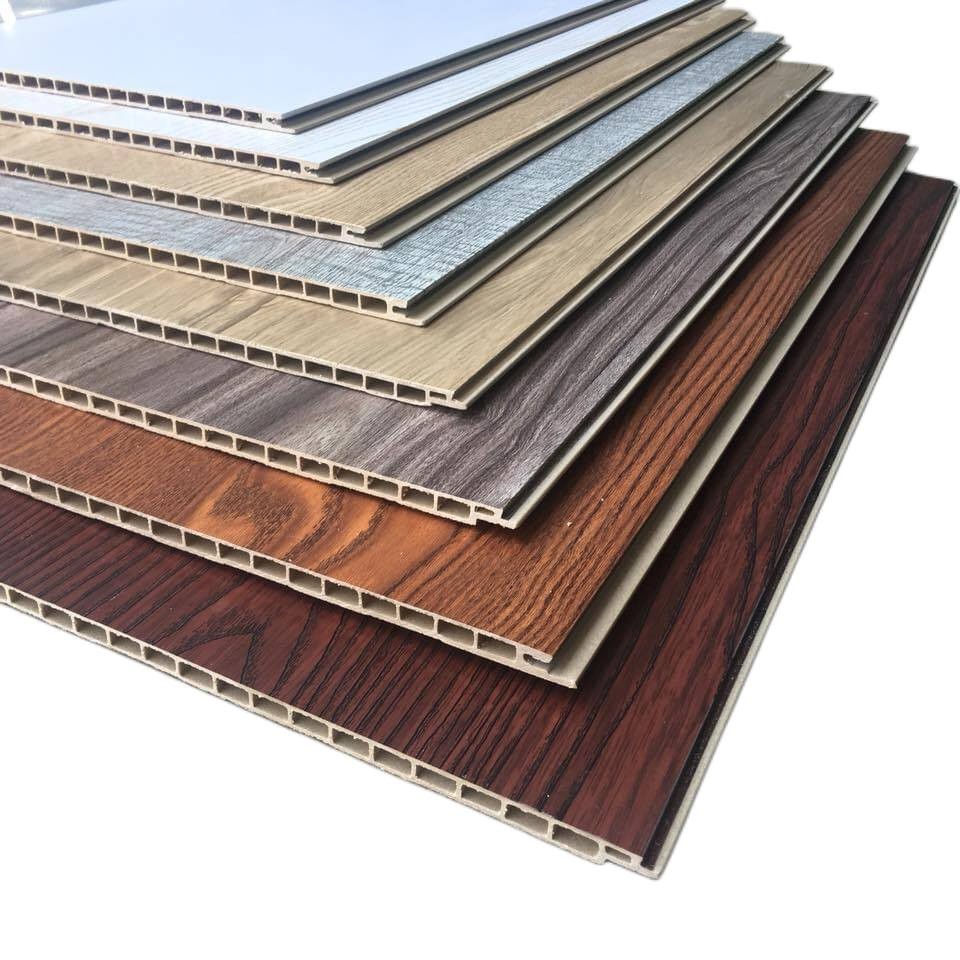
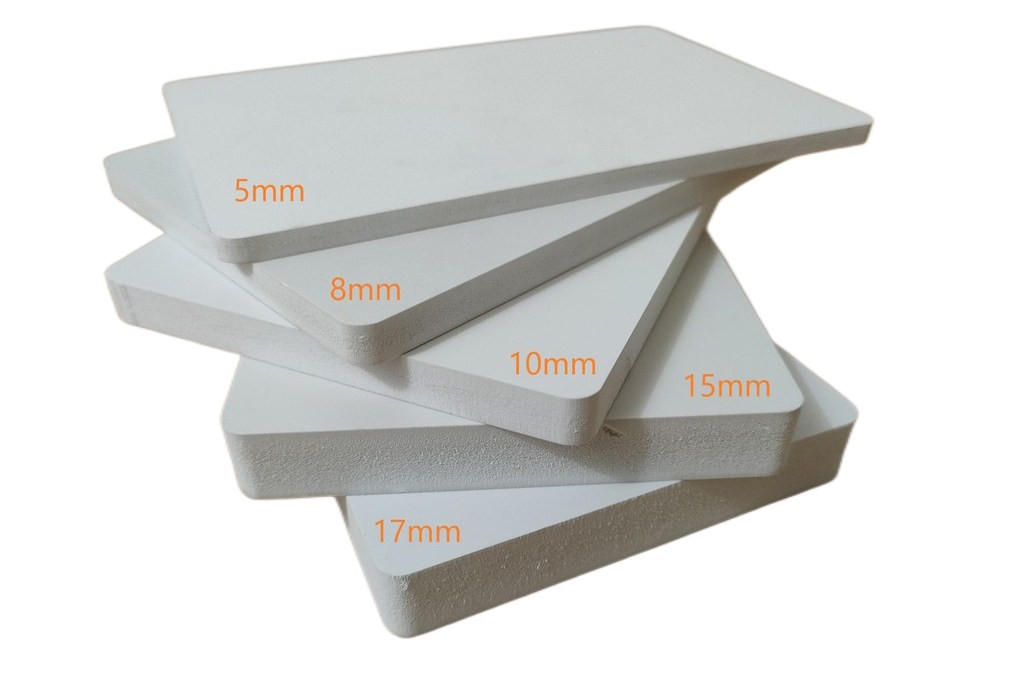
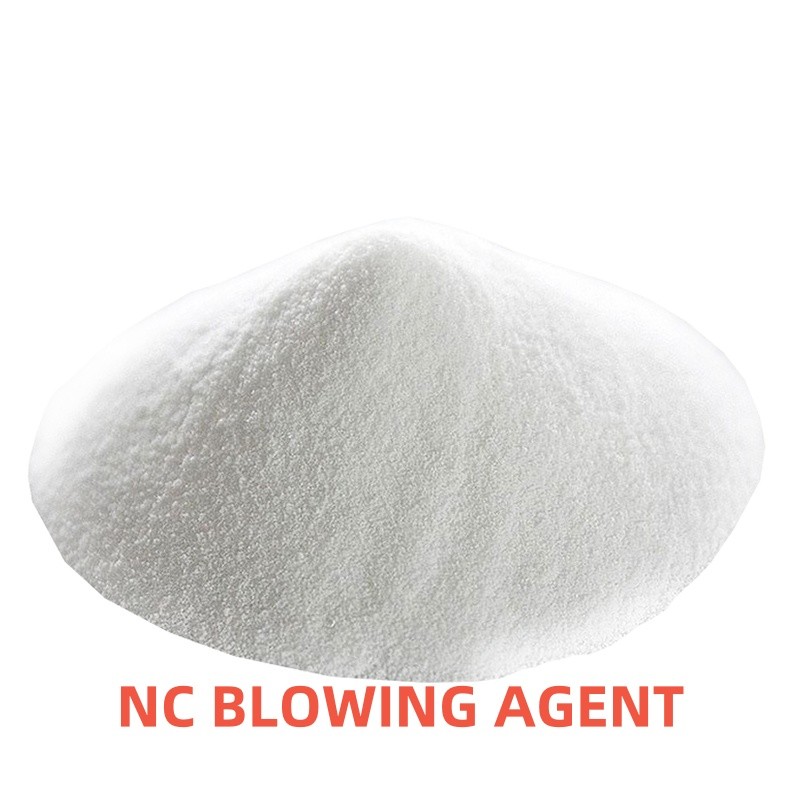
NC blowing agent is a kind of endothermic foaming agent, blow off the gas gently, make foaming process is easy to control, it can guarantee the stability of the performance especially in thicker size and complex shape dynamic molding process of foam products.It widely used in the PVC/TPE/EVA profile,board,sheet to reduce the density.
KRT-130/KRT-140/KRT-160
NC Blowing agent
Product Description
NC blowing agent is a kind of endothermic foaming agent, blow off the gas gently, make foaming process is easy to control, it can guarantee the stability of the performance especially in thicker size and complex shape dynamic molding process of foam products.It widely used in the PVC/TPE/EVA profile,board,sheet to reduce the density.
Physicochemical Properties
Index/Product Name | KRT-130 | KRT-140 | KRT-160 |
Appearance | White flowing powder | White flowing powder | White flowing powder |
Decomposition temperature℃ | 160-165 | 165-170 | 170-180 |
Gas Volume ML/G | 130-145 | 140-160 | 145-165 |
Moisture | 0.02 | 0.02 | 0.02 |
Product Benefits and Application
Foaming performance stability, uniform bubble hole, foam control, high gas evolution. Cleaning mold , screw tubes mold not scale.
Good whiteness.
Good compatibility with AC blowing agent, improve the processing speed, reduce the production cost.
Improved products surface appearance smoothness, not appeared pinhole, air stripe and melt fracture phenomenon.
Material Safety Data Sheets
MSDS are available outlining hazards and safe handling methods.
Storage, Packing & Transportation
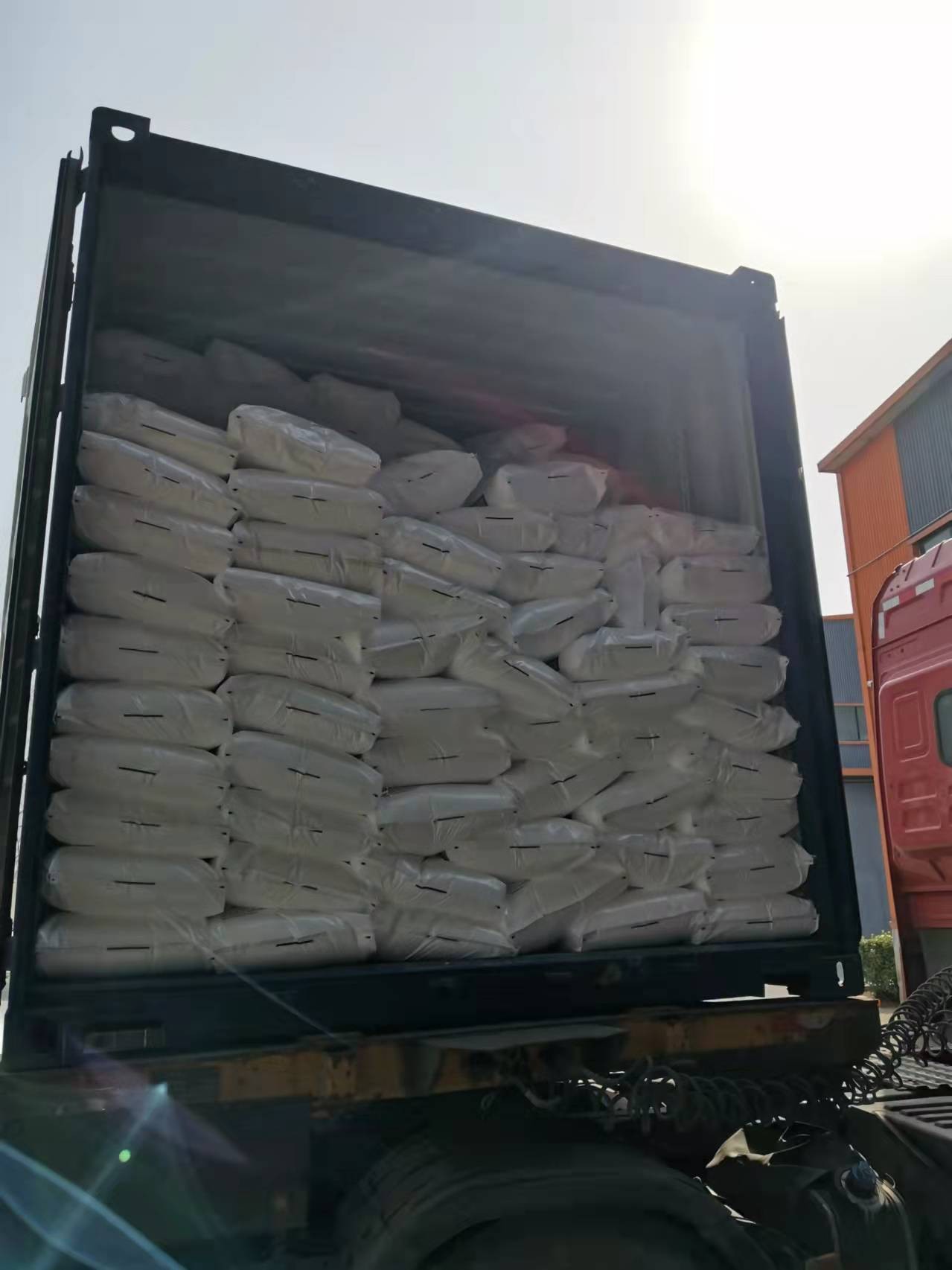
Packed in 25kg woven or Kraft bag.Avoid insolation, drench.Stored in cool and draughty place, shelf life: two year.
FAQ
Q: What is NC blowing agent made of?
A: NC blowing agent typically refers to an endothermic white foaming agent, often based on modified sodium bicarbonate or OBSH (4,4'-Oxybis(benzenesulfonyl hydrazide)) chemistry. It decomposes by absorbing heat (endothermic) rather than releasing heat like AC (azodicarbonamide).
Q: Can NC blowing agent replace AC foaming agent completely?
A: It depends on your target density and product type. For high-expansion, low-density foam, AC is still more cost-effective due to its higher gas yield. For products where whiteness and surface quality are critical — such as furniture boards and decorative panels — NC is the better choice, or you can blend both for balanced performance.
Q: What's the difference between KRT-130, KRT-140 and KRT-160?
A: The main difference is decomposition temperature and gas volume. KRT-130 activates at the lowest temperature (160–165°C) for fast processing; KRT-140 is the universal grade (165–170°C); KRT-160 handles the highest processing temperatures (170–180°C) and is best for thick boards and high-temperature extrusion.
Q: Is NC blowing agent food-safe or suitable for medical applications?
A: NC blowing agent is generally odorless and produces colorless, non-toxic residues. However, food-contact or medical-grade applications require specific certifications. Please contact our team to discuss your regulatory requirements and we'll provide the appropriate grade and documentation.
Q: How do I store NC blowing agent properly?
A: Store in a cool, dry place below 30°C, away from direct sunlight and sources of heat. Keep bags sealed when not in use to prevent moisture absorption. Under proper storage conditions, the shelf life is 2 years. Avoid contact with acids, bases and strong oxidizing agents.
INQUIRY
CATEGORIES
LATEST NEWS
-
Understanding PVC Lubrication Bala
Learn how PVC internal lubricants improve fusion
-
Understanding AC Foaming Agent: A
AC foaming agent, azodicarbonamide, AC blowing a
-
How to Improve WPC Board Flatness
PVC WPC foaming regulator WPC board thickness v
CONTACT US
Contact:
Phone:
Tel:
Email: info@vikemgroup.com
Add: Economic Development Zone, Linqu County, Weifang City, Shandong Province, China